
Mallardshir Sets a New Daily Milk Production Record of 44 Kilograms per Cow, Marking Another Step in TADICO’s Productivity Drive
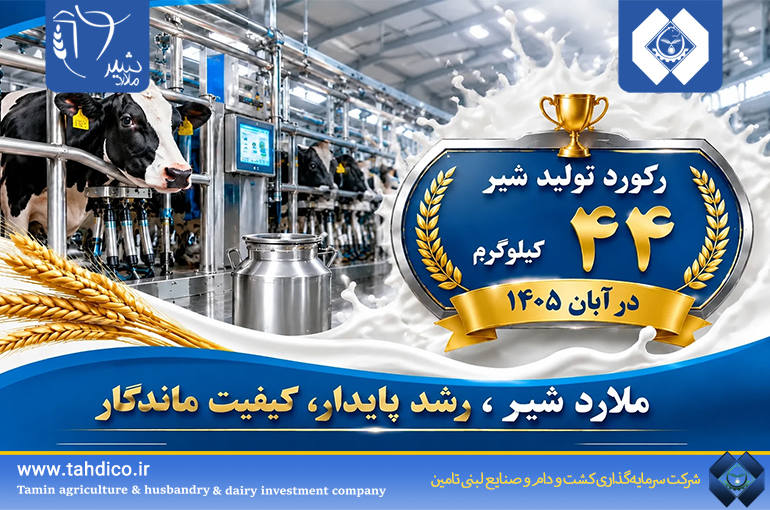
Mallardshir Agricultural and Livestock Farming Company, a subsidiary of TADICO Holding, set a new production record in November 2026, achieving an average daily milk yield of 44 kilograms per dairy cow. This achievement reflects improved productivity and advances in management and operational processes across the company’s livestock farming operations.
According to TADICO:
This record was achieved through targeted initiatives in genetic improvement, nutritional management, veterinary care, and the use of modern milking infrastructure. Mallardshir’s livestock experts and specialists have developed feed rations tailored to the animals’ nutritional requirements, while continuously monitoring feed quality and herd health. These measures have helped improve production efficiency and achieve the new benchmark.
The development and deployment of modern milking equipment, together with strict adherence to hygiene standards during milking and milk storage, have also played an important role in improving the company’s production performance. Reducing animal stress, maintaining hygiene standards in milking parlors, and rapidly transferring milk to cooling systems are among the measures adopted to preserve product quality and enhance production processes.
Achieving an average daily yield of 44 kilograms of milk per cow not only establishes a new production record for Mallardshir but also demonstrates the potential for improving productivity in large-scale livestock farming operations and strengthening Iran’s raw milk supply chain. This achievement is aligned with TADICO Holding’s development strategy, which focuses on enhancing productivity, improving production indicators, and strengthening food security.
According to Mallardshir’s future plans, further improvements in production performance will be pursued through the development of smart livestock monitoring systems, optimization of feed consumption, improved herd management, and greater efficiency in production infrastructure. These initiatives are expected to help sustain and further improve the new production record in the coming months.